
Solar Panel Installation UK: Comprehensive Guide to Green Energy Solar Benefits and Costs
The transition to solar energy is becoming increasingly vital as the UK seeks sustainable solutions to combat climate change and reduce energy costs. This comprehensive guide explores the benefits and costs associated with solar panel installation, providing valuable insights for homeowners considering this green energy option. Solar energy not only contributes to environmental sustainability but also offers significant financial savings and can increase property value. As energy prices continue to rise, understanding the advantages of solar power becomes essential for homeowners looking to enhance energy independence. This article will cover the key benefits of solar energy, installation costs, types of solar panels available, the role of battery storage, the installation process, and the Smart Export Guarantee for solar energy users.
What Are the Key Benefits of Solar Energy in the UK?
Solar energy presents numerous advantages for UK residents, making it an attractive option for homeowners. The primary benefits include significant reductions in energy bills, positive environmental impacts, and potential increases in property value. By harnessing the power of the sun, homeowners can enjoy long-term savings while contributing to a cleaner planet.
How Does Solar Power Reduce Energy Bills and Carbon Footprint?
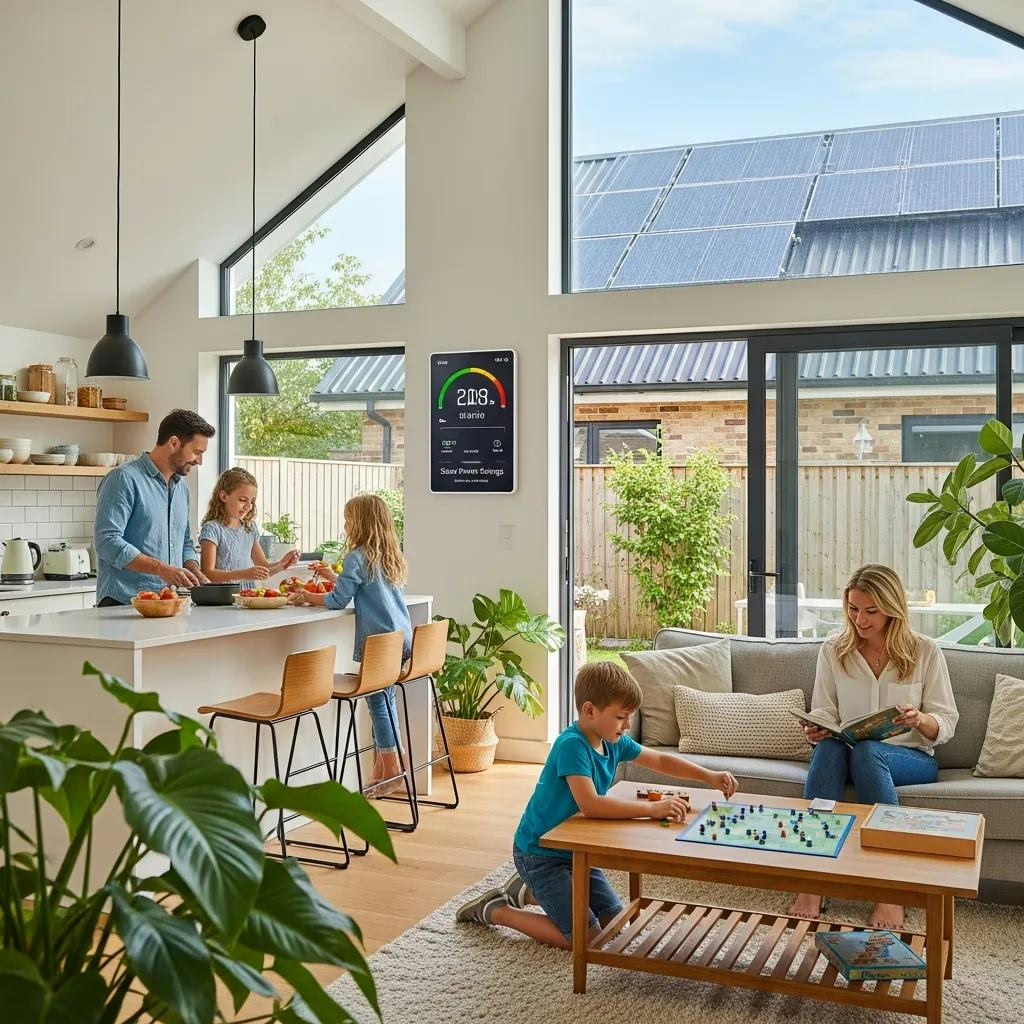
Solar power significantly reduces energy bills by allowing homeowners to generate their own electricity. By installing solar panels, households can lower their reliance on grid electricity, leading to substantial savings. On average, homeowners can save between 20% to 40% on their energy bills, depending on their energy consumption and the size of the solar system installed. Additionally, solar energy contributes to a reduced carbon footprint, as it generates electricity without emitting harmful greenhouse gases. This dual benefit of cost savings and environmental impact makes solar power an appealing choice for many.
In What Ways Does Solar Energy Increase Property Value and Energy Independence?
Investing in solar energy can enhance property value, as homes equipped with solar panels are often more attractive to potential buyers. Studies indicate that properties with solar installations can sell for around 3% to 4% more than comparable homes without solar. Furthermore, solar energy promotes energy independence by reducing reliance on external energy sources. Homeowners can generate their own electricity, providing a buffer against rising energy prices and ensuring a more stable energy supply.
How Much Does Solar Panel Installation Cost in the UK?
Understanding the costs associated with solar panel installation is crucial for homeowners considering this investment. The average cost of installing solar panels in the UK ranges from £5,000 to £8,000, depending on the system size and type. Factors influencing these costs include the quality of the solar panels, installation complexity, and any additional equipment required, such as inverters and battery storage systems.
What Factors Influence Solar Panel Costs and Payback Periods?
Several factors affect the overall cost of solar panel installation and the payback period for homeowners. Key considerations include:
- System Size: Larger systems typically have higher upfront costs but can generate more electricity, leading to greater savings.
- Panel Type: Different types of solar panels, such as monocrystalline, polycrystalline, and thin-film, vary in price and efficiency.
- Installation Location: The complexity of the installation, including roof type and angle, can impact labor costs.
The payback period for solar panel investments generally ranges from 7 to 12 years, depending on these factors and the amount of energy generated.
Understanding the full scope of solar panel investment, including the energy consumed in their production, is crucial for a complete picture of their sustainability.
UK PV Embodied Energy Payback
The embodied energy in photovoltaic modules applied to UK buildings, and determines a payback period in terms of the embodied energy required to manufacture and install the system. The embodied energy payback is important,for renewable energy systems, as it indicates the time taken for the system to generate as much energy as was consumed in its production.
The embodied energy payback period of photovoltaic installations applied to buildings in the UK, A Young, 1996
More recent research continues to explore the financial viability and payback periods of domestic solar PV systems, especially in light of evolving energy markets.
UK Domestic Solar PV Feasibility & Payback
This chapter investigates the feasibility of a rooftop Solar Photovoltaic (PV) system for domestic use in the UK. With ever rising energy prices in the UK, and the disruption to energy markets due to recent extensions to the energy price cap, partly as a result of economic factors such as Brexit and the geo-political trends in the European Energy market that has been primarily driven by the conflict in Ukraine, an investigation took place to understand the feasibility of installing roof top domestic solar PV panels and to determine payback periods of these systems.
Feasibility Study of a Sustainable Roof Top Domestic Solar Energy System in the UK, 2024
Which Government Grants and Incentives Can Lower Installation Expenses?
The UK government offers various grants and incentives to encourage solar panel adoption, helping to reduce installation costs. Homeowners may be eligible for the following:
- Feed-in Tariff (FiT): This scheme closed to new applicants in March 2019 and is no longer available.
- Smart Export Guarantee (SEG): Allows homeowners to earn money by exporting excess electricity back to the grid.
- Green Homes Grant: This scheme closed in March 2022 and is no longer available.
Currently, the main financial incentive available is the Smart Export Guarantee (SEG), which supports solar panel owners by paying for exported electricity.
What Types of Solar Panels Are Available for UK Homes?
When considering solar panel installation, homeowners have several options to choose from, each with distinct characteristics and benefits. The three main types of solar panels available in the UK are monocrystalline, polycrystalline, and thin-film panels.
What Are the Differences Between Monocrystalline, Polycrystalline, and Thin-Film Panels?
Monocrystalline solar panels are known for their high efficiency and sleek appearance, making them a popular choice for residential installations. They typically have a higher power output per square meter compared to polycrystalline panels, which are made from multiple silicon crystals and are generally less expensive but also less efficient. Thin-film panels, while lightweight and flexible, have lower efficiency rates and are often used in specific applications where space is not a constraint.
| Panel Type | Efficiency | Cost | Best Use Case |
|---|---|---|---|
| Monocrystalline | 17-22% | Higher | Limited roof space |
| Polycrystalline | 15-17% | Moderate | Budget-friendly installations |
| Thin-Film | 10-12% | Lower | Large areas or unique shapes |
How Does UK Climate Affect Solar Panel Efficiency and Performance?
The UK climate, characterized by its variable weather conditions, can impact solar panel efficiency. While solar panels can still generate electricity on cloudy days, their performance is optimized in direct sunlight. Studies show that solar panels can produce around 80% of their rated capacity in overcast conditions. Homeowners should consider the orientation and angle of their solar panels to maximize exposure to sunlight throughout the year.
How Does Solar Battery Storage Enhance Home Solar Power Systems?
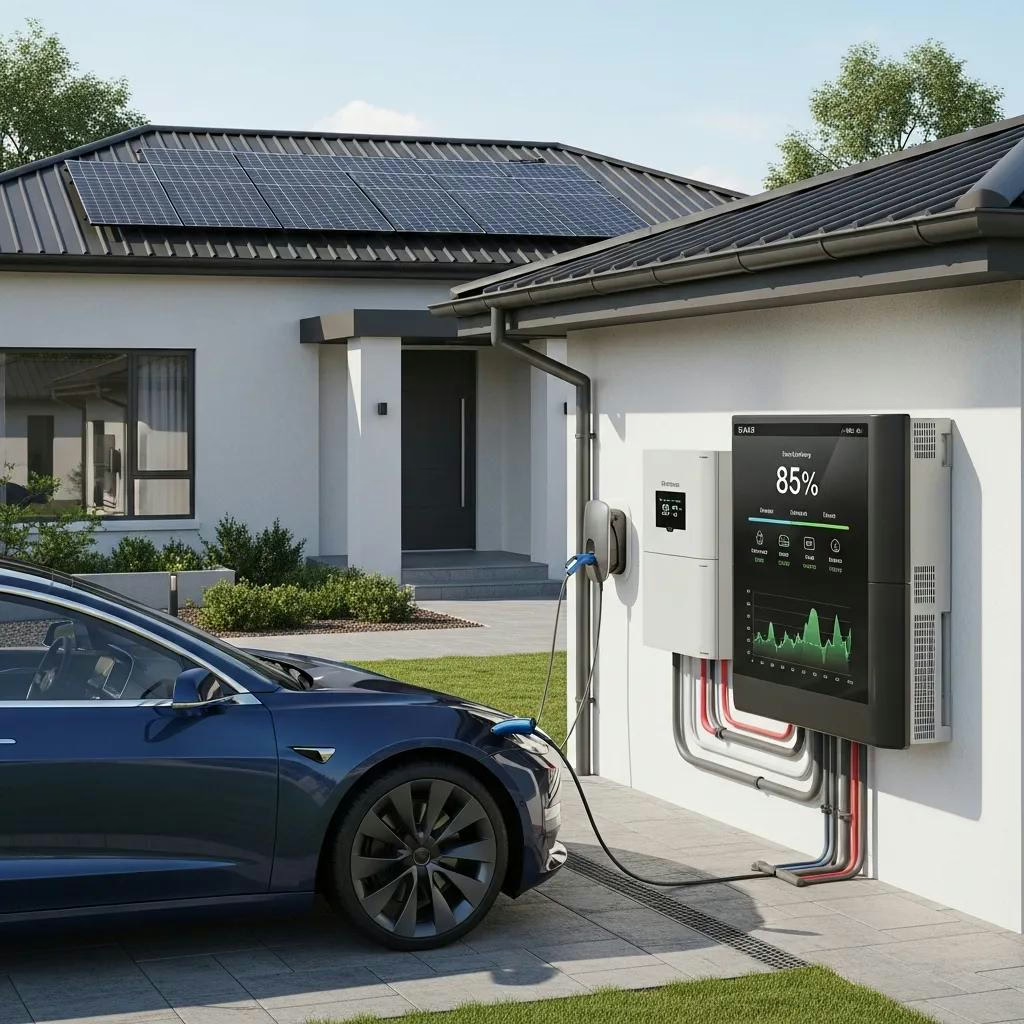
Integrating battery storage with solar power systems can significantly enhance the benefits of solar energy for homeowners. Solar batteries store excess energy generated during the day for use during the night or on cloudy days, providing a more reliable energy supply.
What Are the Benefits and Types of Solar Battery Storage?
Solar battery storage offers several advantages, including:
- Energy Independence: Homeowners can rely less on the grid, especially during peak hours when electricity prices are higher.
- Backup Power: In the event of a power outage, battery storage can provide essential power to keep critical appliances running.
- Maximized Savings: By storing excess energy, homeowners can use their solar power even when the sun isn’t shining, further reducing energy bills.
Common types of solar batteries include lithium-ion and lead-acid batteries, each with its own benefits and drawbacks.
How Can Batteries Be Integrated with Solar Panels and EV Chargers?
Integrating solar batteries with solar panels and electric vehicle (EV) chargers creates a comprehensive energy solution for homeowners. This setup allows homeowners to charge their EVs using solar energy, maximizing the use of renewable energy and reducing reliance on fossil fuels. Additionally, smart energy management systems can optimize energy usage, ensuring that solar power is used efficiently across all devices.
What Is the Solar Panel Installation Process in the UK?
The installation process for solar panels involves several key steps to ensure a successful setup. Homeowners should be aware of the necessary preparations and considerations before installation.
How to Choose an MCS-Certified Installer and Assess Roof Suitability?
Selecting an MCS-certified installer is crucial for ensuring a high-quality installation. MCS certification indicates that the installer meets industry standards and is qualified to install solar systems. Homeowners should assess their roof’s suitability by considering factors such as roof orientation, angle, and shading from nearby trees or buildings. A professional installer can conduct a thorough assessment to determine the best installation approach.
What Planning Permissions and Regulations Should Homeowners Know?
Before installing solar panels, homeowners should familiarize themselves with local planning permissions and regulations. In many cases, solar panel installations are permitted development, meaning they do not require planning permission. However, homeowners in conservation areas or listed buildings may need to seek approval. It is essential to check with local authorities to ensure compliance with all regulations.
How Does the Smart Export Guarantee Support Solar Energy Users?
The Smart Export Guarantee (SEG) is a government scheme designed to support solar energy users by providing financial compensation for excess electricity exported back to the grid. This initiative encourages homeowners to invest in solar energy systems.
What Are SEG Tariffs and Eligibility Criteria for UK Solar Panel Owners?
SEG tariffs vary among energy suppliers, with rates typically ranging from 2p to 5.5p per kWh of exported electricity. Homeowners must have an eligible solar panel system installed and be registered with an SEG provider to benefit from these tariffs. This scheme not only provides an additional income stream but also incentivizes the adoption of renewable energy solutions.
How Can Homeowners Earn from Excess Solar Energy Through SEG?
By exporting excess solar energy back to the grid, homeowners can earn money through the SEG. This financial incentive can help offset the initial installation costs and contribute to long-term savings. Homeowners can track their energy production and export levels through smart meters, ensuring they maximize their earnings from the SEG.
| SEG Provider | Tariff Rate (p/kWh) | Eligibility Criteria |
|---|---|---|
| Provider A | 4.5 | MCS-certified solar system |
| Provider B | 3.8 | Registered with SEG provider |
| Provider C | 5.0 | Smart meter installed |
Frequently Asked Questions
What maintenance is required for solar panels in the UK?
Solar panels generally require minimal maintenance, making them a convenient energy solution. Homeowners should periodically clean the panels to remove dirt, dust, and debris that can obstruct sunlight. In the UK, rainfall often helps keep panels clean, but in areas with less rain, manual cleaning may be necessary. Additionally, it’s advisable to have a professional inspection every few years to ensure the system is functioning optimally and to check for any potential issues, such as wiring problems or inverter malfunctions.
Can solar panels work during winter or cloudy days?
Yes, solar panels can still generate electricity during winter and cloudy days, although their efficiency may be reduced. In the UK, solar panels can produce about 80% of their rated capacity even in overcast conditions. The technology used in modern solar panels allows them to capture diffuse sunlight, which is prevalent during cloudy weather. Homeowners should ensure their panels are installed at the correct angle to maximize sunlight exposure throughout the year, regardless of seasonal changes.
What is the lifespan of solar panels?
Most solar panels have a lifespan of 25 to 30 years, with many manufacturers offering warranties that guarantee performance for at least 25 years. Over time, solar panels may experience a gradual decrease in efficiency, typically around 0.5% to 1% per year. However, many panels continue to produce electricity beyond their warranty period, albeit at a reduced capacity. Regular maintenance and monitoring can help extend the life of the system and ensure optimal performance throughout its lifespan.
Are there any hidden costs associated with solar panel installation?
While the initial installation cost of solar panels is often the most significant expense, homeowners should be aware of potential hidden costs. These may include fees for permits, structural assessments, or additional equipment like inverters and battery storage systems. Additionally, ongoing maintenance and insurance costs should be factored into the overall budget. It’s essential to obtain a detailed quote from the installer that outlines all potential costs to avoid surprises later on.
How do solar panels affect home insurance premiums?
Installing solar panels can potentially affect home insurance premiums, but the impact varies by insurer. Some homeowners may see an increase in premiums due to the added value of the solar system, while others might find that their insurance costs remain the same or even decrease, as solar panels can enhance property value and energy efficiency. It’s advisable to inform your insurance provider about the installation and discuss any adjustments to coverage or premiums that may be necessary.
What happens if my solar panels produce more energy than I use?
If your solar panels produce more energy than you consume, the excess electricity can be exported back to the grid, allowing you to earn money through the Smart Export Guarantee (SEG). This government scheme compensates homeowners for the surplus energy they generate and send back to the grid. Homeowners can track their energy production and export levels using smart meters, ensuring they maximize their earnings while contributing to renewable energy efforts.